
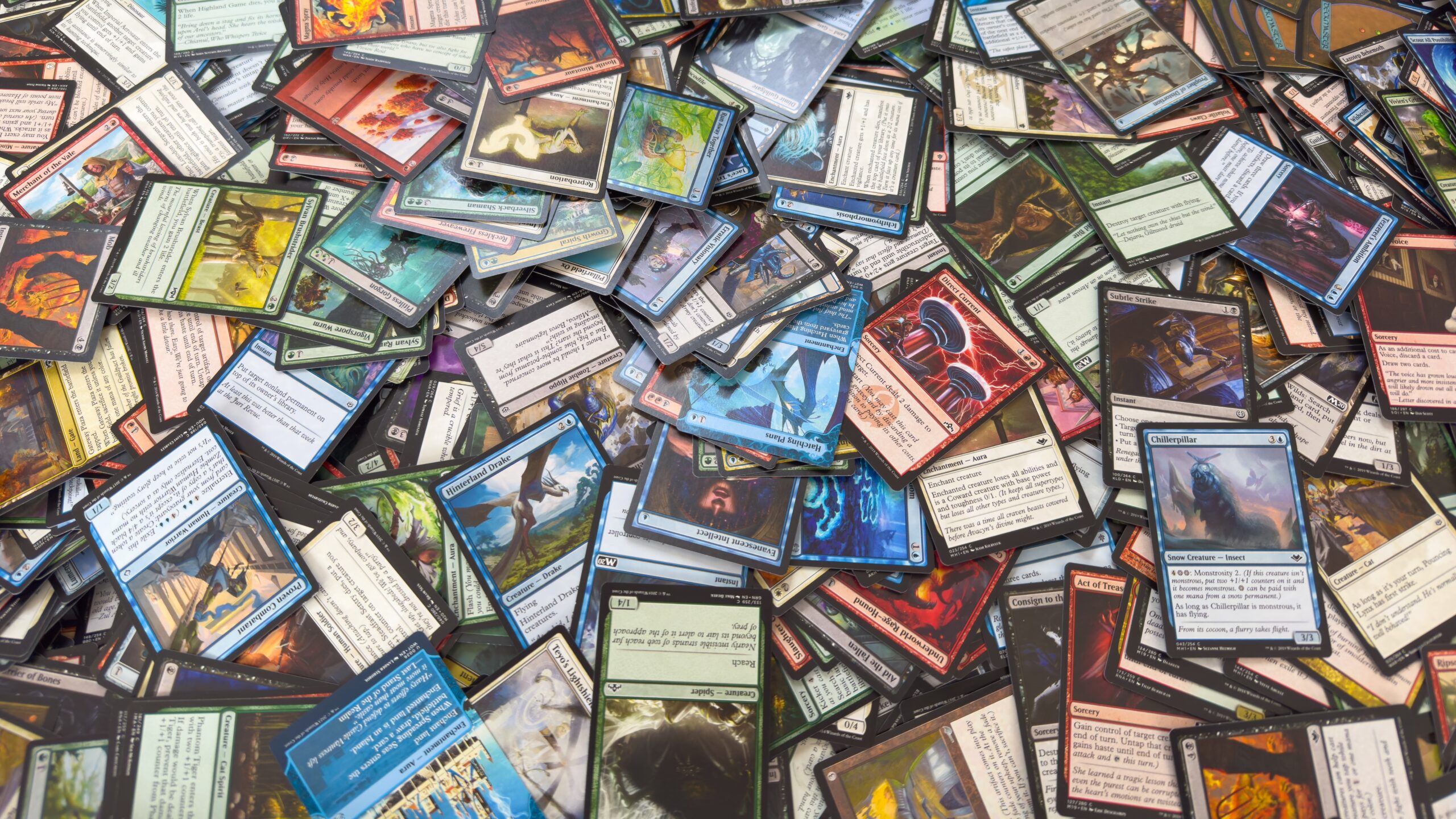
Proxies don’t usually start fights because of ink on cardboard. They start fights because nobody agreed what kind of night it was: budget battlecruiser, tuned high-power, or “anything goes.”
MTG Commander proxies in casual play can be totally healthy, especially for testing and accessibility, as long as your table and store are aligned on expectations.
TLDR
- In sanctioned events, you generally must use authentic cards; judge-issued proxies are a narrow exception.
- In unsanctioned casual play, your pod and local store set the rules. Ask first.
- The best proxy policy is about readability, no deception, and matching power level, not about price.
- A 20-second conversation prevents 20 minutes of awkwardness.
(For physical setup and readability, MTGEDH.com’s “What Size Sleeves for MTG? A Quick Guide for Commander, Draft, and Storage” is a useful baseline. For general “make the game go well” culture, MTGEDH.com’s “MTG EDH Editorial Policy and Corrections” is also worth skimming.)
First, define terms: proxy vs playtest vs counterfeit
People use “proxy” loosely. It helps to separate three ideas:
Playtest cards
A playtest card is typically a placeholder made for personal testing (for example, a basic land with another card name written on it). Some store policies explicitly allow playtest cards in unsanctioned play.
Proxies in sanctioned events
In official tournament policy, “proxy” has a specific meaning: a judge-issued replacement for a card that became unusable during the event (for example, damaged during play). Players do not just bring their own.
Counterfeits
Counterfeits are intended to pass as authentic cards. That’s not a casual preference issue, it’s prohibited and a store-risk problem.
What the official policies say (in plain language)
Here’s the clean, practical summary:
Sanctioned events
In Wizards-sanctioned play, the policy focus is on using authentic cards. Judge-issued proxies exist as a narrow exception for specific situations (like accidental damage during the event).
This is covered in Wizards’ own proxy policy communication, and is reinforced through organized play documents.
Unsanctioned casual play (even at a store)
If the game is not being run as a sanctioned event, proxy acceptance is up to the organizer and the pod. Stores may allow playtest cards for non-commercial use in unsanctioned events, while still forbidding counterfeits.
If you want a single “rule” that works everywhere: ask the organizer and ask your table before you shuffle.
A common example of a card people want to play but may not own:
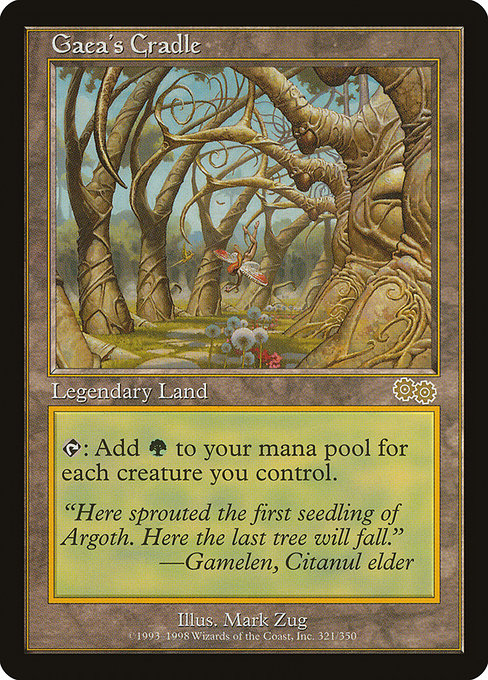
 : Add
: Add  for each creature you control.
—Gamelen, Citanul elder
The real reason proxy drama happens: power, not price
Most proxy tension is actually one of these:
- Someone used proxies to jump far above the table’s power.
- Someone’s proxies were unreadable and slowed the game down.
- A store had a policy, and a player assumed the opposite.
So when you set expectations, focus on:
- How strong is your deck?
- How clear are your cards?
- What are the store/table rules today?
Proxy policies that work for casual Commander
If your group needs a clear standard, pick one of these “tiers” and write it down.
Tier 0: No proxies
- Cleanest for strangers, but excludes budget players.
Tier 1: “Only if you own it”
- Great for protecting expensive cards or moving one copy across multiple decks.
- Hard to verify, and can get awkward.
Tier 2: “Budget-friendly proxies”
- Proxies allowed to keep cost down.
- Still requires power-level matching.
Tier 3: “Proxy-friendly, power-level first”
- Proxies are fine, but your deck’s power must match the pod.
- This is often the healthiest long-term approach.
Readability rules that prevent 90% of friction
Even in proxy-friendly groups, the best practices are consistent:
- Make the card name clear at a glance.
- Include mana cost and basic rules text if possible.
- Use consistent sleeves so nothing is marked.
- Avoid anything that could be mistaken for an authentic card.
If your proxy policy includes a “one line rule,” make it:
Readable, clearly not authentic, and discussed before the game.
Rule 0 scripts you can use word-for-word
If you’re bringing proxies
“Quick heads up: this deck has about X proxies. They’re all clearly marked and readable. The deck is around [power description], no surprise fast combos. Is everyone cool with that?”
If you’re not comfortable with proxies
“I’m not against proxies, but I prefer games where we’re all on real cards today. Are you able to swap decks, or should we find another pod?”
If you’re at a store and unsure
“Before we start, is this Commander night sanctioned or casual? What’s the store’s proxy/playtest policy?”
How to say “no” without drama
If you don’t want to play against proxies, keep it about today’s game, not about someone’s character.
- “I’m looking for a lower-power game tonight.”
- “I don’t love proxies in this pod because it’s hard for me to track unfamiliar cards.”
- “If the store policy says no, I’d rather follow it.”
FAQ
Are proxies allowed in Commander?
Casually, it depends on your group. Officially, Commander has rules and a philosophy, but it also emphasizes that groups should agree on what they want to play.
Are proxies allowed at WPN stores?
Stores can allow playtest cards in unsanctioned play, but “proxy cards” in events are defined narrowly and tied to official tournament rules. Always ask the store what kind of event you’re in.
Do proxies automatically mean a deck is high power?
No. Proxies remove budget constraints, which can enable higher power, but the power level comes from deck construction and intent.
What’s the best proxy policy for strangers at an LGS?
A simple disclosure plus a power-level match. If the organizer says no proxies, the number is zero.
Wrap Up
Proxies are easiest when you treat them like any other Rule 0 topic: disclose, match expectations, and keep your cards readable. If your pod can agree on a tiered policy (no proxies, own-it, budget, or proxy-friendly), the drama mostly disappears.