
TLDR
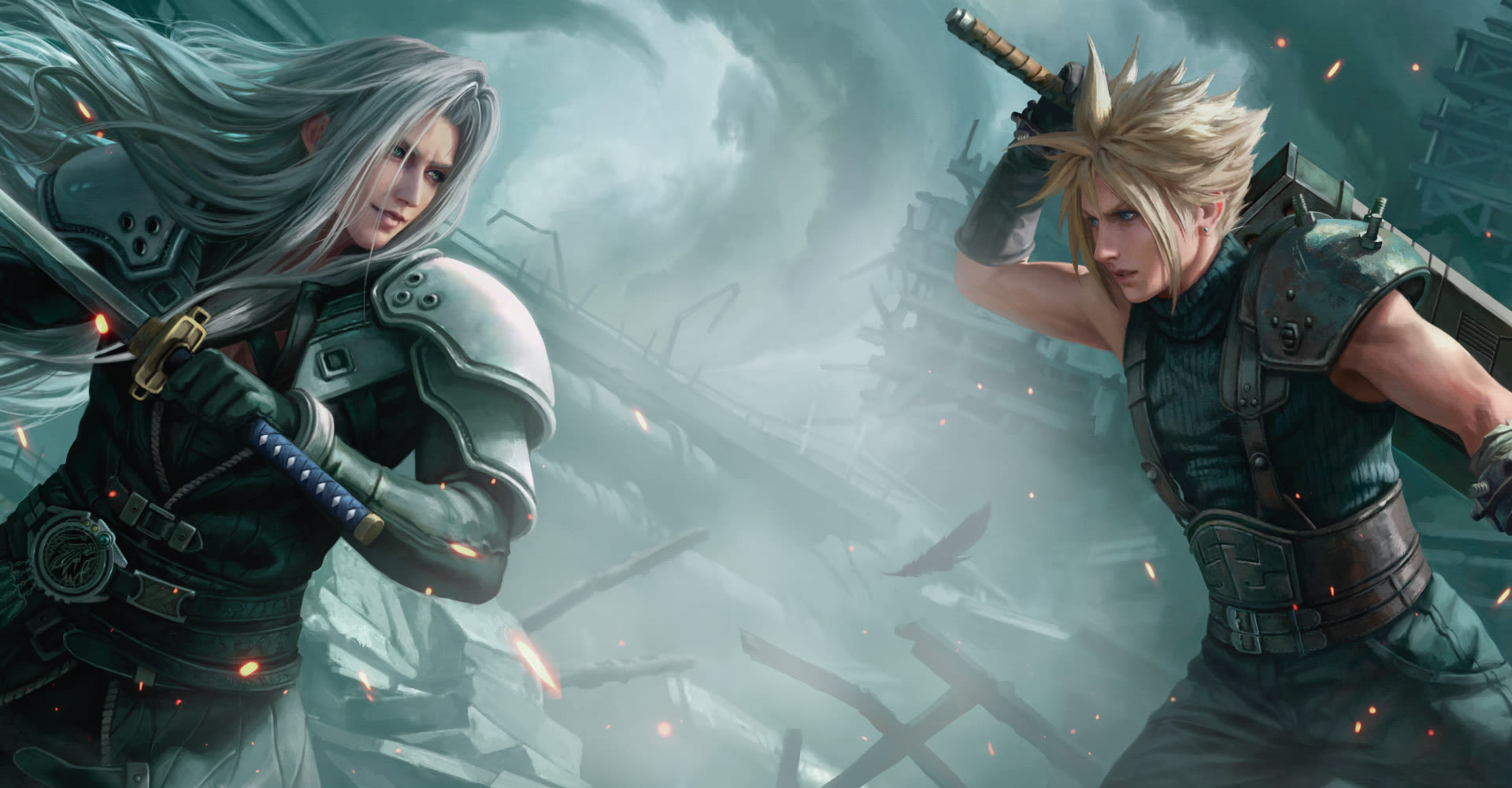
- The best all-around gameplay set is Final Fantasy. It feels the most like a real Magic set first and a crossover second.
- Avatar: The Last Airbender is the best set for synergy brewers. Its mechanics actually ask you to build around them, which is nice when your cards are doing more than cosplay.
- Spider-Man plays cleaner than expected, especially in smaller draft groups, but it has a narrower long-term Commander footprint.
- TMNT is sneakily solid if you like tempo, ETBs, and combat tricks. It is less universal, but more interesting than the premise might suggest.
- If you care about raw Commander staples, The Lord of the Rings is still the crossover king. If you care about precon gameplay, Warhammer 40,000 is still near the top.
Universes Beyond used to feel like dessert. A novelty. A side plate. Now it is half the buffet, and whether you asked for that or not is no longer the point. The useful question is simpler: which MTG Universes Beyond sets actually produce good games?
Because hype is very good at making every crossover sound brilliant for about ninety seconds. Gameplay is less forgiving. Commander players find out pretty fast whether a set creates interesting decisions, gives you cards worth building around, and still feels fun after the first few “hey, I know that character” moments wear off.
How I am judging MTG Universes Beyond sets
For Commander, a crossover set plays well if it does three things.
First, it needs mechanical cohesion. The cards should pull in recognizable directions. You should be able to tell what the set is asking you to do without needing a conspiracy board and red string.
Second, it needs deckbuilding value. A set can be flavorful and still not matter much if its cards only function inside their own tiny bubble. I care about whether the legends are worth building, whether the role-players escape their home set, and whether the best cards still look good six months later.
Third, it needs replayability. Some products are fun once, then you realize every game has the same script. Others keep opening new lines because their mechanics create real decisions instead of just announcing themselves loudly.
Since this is MTGEDH, I am weighting Commander the most. But when a set is clearly built for draft or out-of-the-box multiplayer, that matters too. A product does not lose points just because it was designed to do a specific thing. It loses points if it only does that thing once.
Quick verdicts
| Set | Mechanics | Deckbuilding value | Replayability | Verdict |
|---|---|---|---|---|
| Final Fantasy | Deep and flexible | High | High | Best all-around gameplay set |
| Avatar | Synergy-heavy and distinct | High for builders | High | Best for brewers |
| Spider-Man | Clean tempo and small-group draft | Medium | Medium to high | Best for accessible draft nights |
| TMNT | Combat-focused, tricksy, ETB-friendly | Medium | Medium to high | Best niche combat set |
| The Lord of the Rings | Strong core mechanics | Very high | High | Best for staples and long-term Commander value |
| Fallout | Enginey resource gameplay | High | Medium to high | Best for graveyard and value players |
| Warhammer 40,000 | Coherent precon identities | High | High | Best out-of-the-box Commander product |
| Doctor Who | Clever but intricate | Medium | Medium | Best for people who enjoy bookkeeping on purpose |
Final Fantasy is the best all-around gameplay crossover
If you want one Universes Beyond set that actually holds up under repeated play, Final Fantasy is the best answer.
The reason is not just that it is broad. It is that the breadth translates into mechanics that smooth games instead of cluttering them. Job select gives Equipment decks a body to wear the sword immediately. Tiered spells scale from early interaction to late-game mana sink. Saga creatures give you burst value without asking for a separate support package. Landcycling also keeps games from turning into those classic Commander masterpieces where one player misses land drops and pretends they are still in it.
That combination matters. It means the set has texture. Aggro cards still have late relevance. Midrange cards still move the game. Build-arounds do not feel trapped in a tiny flavor cage. And the best cards slot into real Commander shells like Equipment, spellslinger, land decks, artifact decks, and sacrifice lists.
Just as important, Final Fantasy does not feel overly parasitic. You can build around Vivi, Sephiroth, or Kefka if you want the full franchise experience, but a lot of the good cards still function perfectly well in non Final Fantasy decks. That is usually the line between “strong set” and “themed souvenir.”
If I had to recommend one crossover to a Commander player who cares more about gameplay than brand recognition, it would be Final Fantasy. It is the least likely to end up as a very expensive conversation piece.
Avatar is the best set for synergy brewers
Avatar: The Last Airbender is my favorite recent example of a crossover set that actually has a mechanical point of view.
Each bending mechanic changes how turns play. Firebending creates red mana in combat, which makes attacks matter even when no one dies. Airbending plays like temporary removal, tempo, and value all at once. Waterbending lets you tap creatures and artifacts as part of your mana payments, which opens up some neat sequencing in artifact shells and go wide decks. Earthbending turns lands into threats, which is exactly the sort of sentence that makes green mages sit up straight and pretend they were already paying attention.
Then you add double-faced Sagas, Lesson payoffs, Clue support, and the usual Commander appetite for value engines, and you get a set that rewards real brewing. Avatar is not just handing you good rate cards. It is asking you to build a machine.
That is also the tradeoff.
Avatar has a higher ceiling than Spider-Man or TMNT for dedicated brewers, but it is less generically useful than Final Fantasy or Lord of the Rings. If you want a pile of standalone staples, Avatar is not your first stop. If you want a commander that feels meaningfully different from the last six decks you sleeved up, it becomes much more attractive.
In other words, Avatar plays very well if you like synergy. It plays merely fine if you mostly want easy upgrades and obvious staples. That is not a flaw. It just means the set knows what it is.
Spider-Man is cleaner than expected, but narrower
I think Spider-Man surprised a lot of people by being mechanically cleaner than the usual “look, everyone clap, the IP is here” crossover.
Web-slinging is the star. Returning a tapped creature you control to hand as part of an alternate cost gives the set a real tempo identity and quietly turns ETB creatures into part of the engine. Mayhem also gives the discard and graveyard cards a nice push without turning them into total nonsense. The modal double-faced “secret identity” legends add flexibility, and the set’s focus on Pick-Two Draft gives it a clear play pattern for four-player groups.
That last part matters more than it sounds. Spider-Man was deliberately built to support smaller draft pods, and that design choice shows. The games move. The archetypes are easier to see. The cards are flavorful without becoming a crossword puzzle.
So why is it not higher?
Because Spider-Man has less long-tail Commander value than Final Fantasy, Avatar, or Lord of the Rings. It has good commanders. It has useful cards. But it does not feel quite as deep once you move outside its immediate themes. Some of its best play experiences are tied to the exact environment it was built for, which is great if you actually draft with friends and less exciting if you mostly want evergreen Commander pieces.
So yes, Spider-Man actually plays well. That is the good news. The less shiny but still important news is that it plays best in the role it was designed for. Which, honestly, is healthier than trying to be everything.
TMNT is better than it has any right to be
Let’s be honest. A lot of people looked at Teenage Mutant Ninja Turtles and assumed it would be all flavor, all punchlines, no real gameplay. Fair enough. Magic has trained people to fear themed side products for good reason.
But TMNT is pretty solid.
Mutagen tokens give the set a counters-and-artifacts subgame that is cleaner than it sounds. Sneak is the real gem, though. Returning an unblocked attacker to hand as part of the cost makes the mechanic play like a cousin of ninjutsu, which means combat actually matters and ETB creatures get to do the rude thing twice. Disappear rewards cards leaving the battlefield under your control, so bounce and sneak lines matter after combat too. Alliance keeps creature-heavy boards moving, and the set’s co-op Turtle Team-Up mode gives it a casual replay hook that is different from normal Commander.
That makes TMNT more interactive on board than a lot of crossover products. It is not just a pile of references. It asks players to attack, reposition, reuse creatures, and actually think about combat. Novel concept, I know.
The downside is reach. TMNT feels more niche than the bigger winners. Its Commander adoption is lower, its staple count is smaller, and many of its best cards want you to be specifically interested in tempo, typal overlap, leaves-the-battlefield triggers, or combat trickery. That is a real limitation.
But if your pod likes combat and values clever turns over giant solitaire engines, TMNT is one of the more pleasant surprises in the Universes Beyond pile.
The older crossover winners still matter
If we are asking which crossover products actually play well, we should not pretend this started yesterday.
The Lord of the Rings is still the benchmark for long-term value
If Final Fantasy is the best recent all-around set, The Lord of the Rings is still the benchmark for long-term Commander impact.
The Ring tempts you is a real mechanic, not just a flavor sticker. It creates attack incentives, sequencing choices, and a mini progression system that plays well across a lot of archetypes. More importantly, the set produced a frankly rude number of Commander staples and popular legends.
That matters. A crossover set plays well over time when its cards keep showing up in decks that have nothing to do with the original IP. Lord of the Rings did that in a big way. If your metric is deckbuilding value, it is still the crossover king.
Fallout is a strong Commander set if you like engines
Fallout works because its mechanics feed each other. Junk tokens turn into card flow. Rad counters push self mill and life pressure. Energy gives you another resource to scale around. The result is a Commander product that feels engine-driven instead of just pile-driven.
It is less about clean combat and more about incremental value, resource loops, and graveyard velocity. That will not be everyone’s favorite flavor of gameplay, but it absolutely plays.
Warhammer 40,000 is still one of the best precon products
Warhammer 40,000 remains one of the best out-of-the-box Commander releases Universes Beyond has produced.
Each deck had a real identity. Squad, ravenous, cascade, and unearth gave the decks distinct play textures without feeling disconnected. Just as important, the decks did not feel stuffed with filler. They felt like actual plans.
If someone asks me which Universes Beyond product most successfully translated another universe into precon Commander gameplay, Warhammer is still near the front of the line.
Doctor Who is clever, but more specialized
Doctor Who absolutely plays well for the right audience. The problem is that the audience is narrower.
Doctor’s companion is smart. Paradox gives you a real deckbuilding angle. Time travel is flavorful and mechanically meaningful. But the set also asks players to manage suspended cards, odd casting zones, time counters, and extra moving parts. Some Commander players hear that and light up. Others begin looking for the nearest simpler deck like it is a fire exit.
So yes, Doctor Who works. It is just the most “you will either love this or slowly develop a facial twitch” product of the group.
So which crossover sets actually play well?
If you want the short version:
- Best all-around gameplay: Final Fantasy
- Best for synergy brewers: Avatar
- Best for small-group draft: Spider-Man
- Best niche combat set: TMNT
- Best long-term Commander staples: The Lord of the Rings
- Best precon gameplay: Warhammer 40,000
- Best engine-heavy Commander play: Fallout
- Best for intricate rules nerd fun: Doctor Who
If you only want one product to start with, I would choose Final Fantasy.
If you already know you are a build-around addict, I would choose Avatar.
If your group actually drafts and does not just say “we should draft sometime” once every four months, Spider-Man is a legitimate pickup.
And if you want a crossover set that is more fun in combat than people expected, TMNT deserves more respect than it is probably going to get.
Also, if you are evaluating these through a Commander lens, use the same practical framework from MTG Commander Power Levels Explained. A crossover set can be good and still be the wrong power fit for your pod. And once you pick a legend, build it like an adult with How to Build a Commander Deck in MTG.
FAQs
Which MTG Universes Beyond set is best for Commander overall?
For pure all-around Commander gameplay, I would rank Final Fantasy first right now. It has the best mix of flexible mechanics, build-around commanders, playable role cards, and replayability across different shells.
Which crossover set has the best generic staples?
The Lord of the Rings still wins that category. It has the strongest record of cards escaping their home set and becoming widely played Commander staples.
Is Spider-Man worth it if I do not draft much?
Yes, but with a caveat. Spider-Man still has playable commanders and useful cards, but a lot of its strongest identity comes from how well it supports smaller draft groups. If you only care about Commander singles, Final Fantasy, Lord of the Rings, and Avatar give you more to work with.
Does TMNT have lasting deckbuilding value?
Some, yes, but not as much as the top tier crossover sets. TMNT looks best if you like combat tricks, ETBs, Ninjas, counters, or leaves-the-battlefield synergies. It is more cult favorite than universal upgrade package.
Which Universes Beyond set is best for new Commander brewers?
I would say Avatar if they enjoy building around mechanics, and Final Fantasy if they want more obvious on-ramps and a bigger pool of cards that fit into existing Commander habits.
References