
EDH lands are the least glamorous part of deckbuilding, and the part that decides whether you actually get to play Magic or just “draw, go” for three turns while everyone else has fun.
TLDR
- Start most Commander decks at 37–39 lands, then tune from there.
- Think in total mana sources, not just lands. Most decks want roughly 43–55 mana sources (lands plus rocks, dorks, ramp, etc.).
- Color fixing beats cute utility. If your mana is shaky, your “spicy” lands are secretly liabilities.
- Tapped lands are a tax. Pay it only when your deck can afford to be slower (budget, grindy pods, heavy synergy).
- cEDH gets away with fewer lands because of low curves, free spells, fast mana, and card selection, but it still prioritizes untapped, flexible sources.
Lands are your deck’s permission slip
Commander decks are 100 cards, singleton, and you only get one “normal” land drop per turn. That combo is why mana bases feel swingier in EDH than in 60-card formats. You are building for variance, multiplayer, and long games where you may need to recast your commander multiple times.
Your lands do three jobs:
- Make mana on time (the part you cannot skip).
- Fix colors (the part most decks mess up).
- Do stuff (utility, synergy, late-game inevitability).
The trick is simple: you only earn job #3 after you handle jobs #1 and #2.
The quick baseline: how many lands should you run?
If you want one number you can start with and not hate your life: 38 lands.
From there, adjust based on what your deck is actually doing.
A practical “start here” chart
- Newer players, higher curves, splashy pods: 39–41 lands
You are learning. Flooding is annoying. Mana-screwing is a non-game. - Most mid-power Commander decks: 37–39 lands
You want to hit land drops, cast your commander, and still have mana for interaction. - Tuned, lower-curve decks with real ramp and draw: 35–37 lands
You are replacing some land drops with rocks, dorks, and cheap card selection. - Landfall or “lands matter” decks: 40–45 lands
Your lands are spells. Your spells are lands. Everybody is happy. - cEDH: often 28–33 lands
Lower curve, higher fast-mana density, more cantrips, more mulligans, more pain.
The missing piece: count mana sources, not lands
A lot of Commander players run “36 lands” and then wonder why they miss land three and land four constantly. The fix is usually not “add two lands” (though sometimes it is). It’s often: add more early mana sources.
A strong starting point for many EDH decks is 43–55 total mana sources:
- 33–40 lands
- 10–15 other mana sources (rocks, ramp spells, mana dorks, cost reducers that function like mana)
If your deck is full of three-mana rocks and four-mana ramp, you do not have “ramp.” You have “eventually.” That’s not the same thing.
Your mana base should match your commander, not your hopes
A commander is not just a card. It’s also:
- A guaranteed spell you always want to cast
- A built-in mana sink because commander tax makes recasts expensive
- A color requirement you must meet consistently
If your commander costs five or more mana, missing land drops is extra brutal. You are not just delayed, you are delayed and you are not doing the thing your deck was built to do.
Rule of thumb:
- If your commander is 4 mana, you can be a little leaner.
- If your commander is 6+ mana, you should bias higher on lands and/or cheap ramp.
- If your commander is color-hungry (lots of pips), you need better fixing than your buddy’s two-color stompy list.
Fixing first: how to stop losing to your own colors
Here’s the biggest Commander mana base lie:
“I have enough lands.”
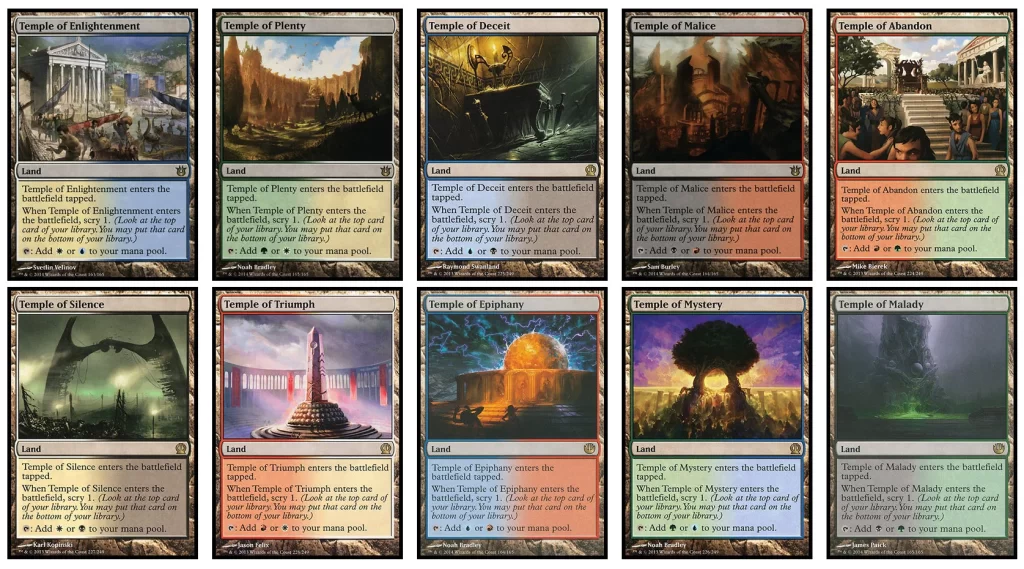
You might, but if you cannot reliably make your colors, you do not actually have enough lands. You have decorative cardboard.
The easiest method that works
- Look at your early turns. What do you want to cast on turns 1–3?
- Identify the colors those spells require.
- Make sure your land suite produces those colors untapped often enough.
If your deck wants turn-two Counterspell style plays, your mana base needs to support that reality. If your deck wants turn-one green dork into turn-two ramp, you need a lot of untapped green sources.
“Primary color” vs “splash color”
Even in three-color decks, you usually have a “main” color (or two) and a splash. Build like that on purpose.
- Primary colors: the colors you need early and often. These get the best lands.
- Splash color: the color you need later or less frequently. This can tolerate more tapped lands or conditional sources.
If you are trying to treat all three colors equally but your card costs do not, your mana base will feel randomly awful. And the worst part is it will only be awful in the games that matter.
Land categories that actually matter
Think of your mana base like a toolkit. You do not need every tool. You need the right ones.
1) Basics: boring, perfect, and secretly elite
Basics:
- Enter untapped
- Dodge a lot of hate
- Work with fetches and “search your library for a basic” ramp
- Keep your life total healthier when you are not paying for fancy mana
Even high-power lists run basics. Not because basics are exciting, but because getting Blood Moon’d and folding is embarrassing.
2) Untapped multi-color lands: the backbone of consistency
These are the lands that let you play Magic on curve without paying a “comes in tapped” tax every other turn.
In general, you are choosing what downside you can live with:
- Pay life (painlands, shocks, rainbow lands)
- Meet a condition (check lands, slow lands, reveal lands)
- Accept limitations (pathways pick one side, filter lands need input)
In Commander, untapped is worth a lot because the format rewards having mana available for interaction. Passing with two mana up changes the whole table’s behavior. Passing tapped out invites nonsense.
3) Fetch effects: consistency, shuffling, and synergy
Fetchlands and fetch-like cards do three things:
- Fix colors by turning one land into the exact color you need
- Enable typed lands (the lands with basic land types)
- Trigger landfall and fill the graveyard (relevant more often than people admit)
In budget mana bases, slower fetches are fine. In faster metas, slow fetches are still playable if they enable your colors, but you will feel the tempo loss.
4) Typed lands and tri-lands: great fixing, sometimes slow
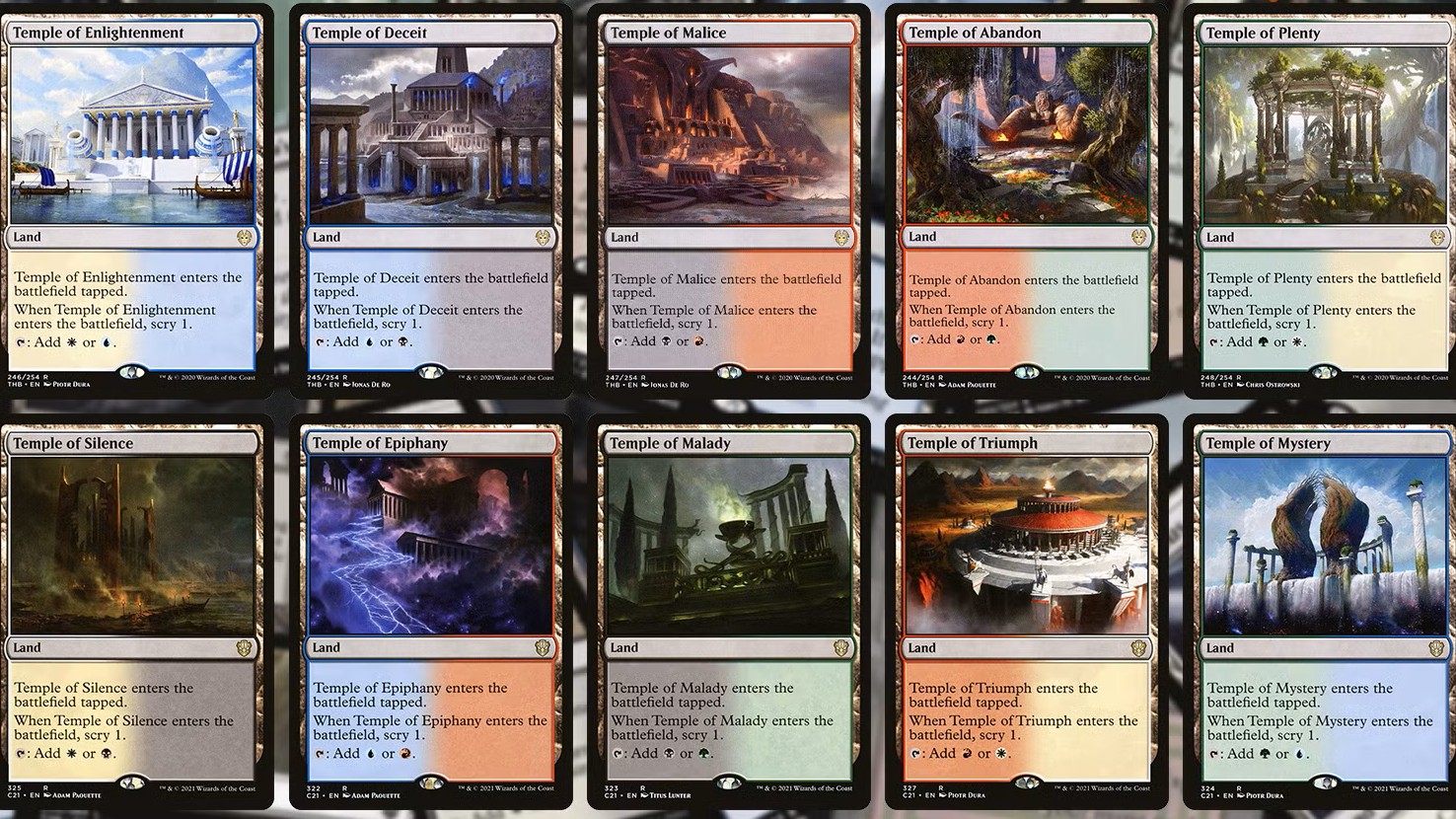
Typed lands are huge because they “count” for fetches and for cards that care about land types. Tri-lands and triomes can dramatically stabilize four- and five-color decks, but they often come in tapped.
The question is not “are tri-lands good?” The question is: can your pod punish tapped lands?
If your local games start with “land, go” from everyone, you can afford tapped lands. If your local games start with “land, Mana Crypt, value engine,” you cannot.
5) Utility lands: you get a few, not a lifestyle
Utility lands are awesome. They also quietly sabotage three-color mana bases when you get greedy.
A good starting limit for most decks:
- 1–3 utility lands in three-color decks
- 2–6 utility lands in mono-color decks
- 0–2 utility lands in five-color decks unless you have exceptionally strong fixing
If you are missing colors in opening hands, your “fun lands” are not fun. They are just slower ways to lose.
6) MDFCs: lands that pretend to be spells (and spells that pretend to be lands)
Modal double-faced cards (MDFCs) are one of the cleanest ways to raise consistency without flooding out. They let you:
- Keep slightly land-light hands safely
- Hit land drops early
- Convert “extra lands” into real action later
Treat them like partial lands when you tune counts. If you run several MDFCs, you can often shave a land, but only if your early game is still stable.
Mana bases by color count
Mono-color
Mono-color mana bases are where you get to have hobbies.
- Run a healthy pile of basics.
- Add strong utility lands.
- You can afford more colorless lands because you are not juggling multiple colors.
This is also where you can run “cute” lands without your deck falling apart, because your colors are already solved.
Two-color
Two-color decks are the sweet spot for consistency on a budget.
- You can run a mix of basics and duals without needing the premium package.
- Your fixing is forgiving.
- Your utility land budget is bigger than in three-color decks.
If you are struggling with a two-color mana base, the problem is usually:
- Too many taplands
- Not enough lands total
- Or trying to cast double-pipped spells too early without the sources to support it
Three-color
Three-color decks are where Commander mana bases get real.
Your priorities:
- Enough sources of each color, especially the early ones
- Enough untapped lands to play on curve
- Utility lands only after the above are stable
Three-color is also where people accidentally build “a tapped land deck” and then blame variance. If you are running a pile of taplands, you will feel slow. That is the deal you made.
Four- and five-color
Four- and five-color mana bases live on a triangle: speed, consistency, budget. Pick two.
Common paths:
- High-speed, high-consistency (expensive): premium fixing, lots of untapped options, strong fetch targets
- Budget-consistency (slower): more tapped lands, more basics, more green ramp to compensate
- Speed-budget (inconsistent): you will occasionally do nothing, but at least you saved money
If your deck is four or five colors and not green, your mana base needs to be tighter. You do not get to “ramp out of it” as easily.
The cEDH lens: lands when the table is not here to vibe
cEDH mana bases are built around two truths:
- The curve is lower and the spells are more efficient.
- You need to hold up interaction constantly.
That’s why you see:
- Lower land counts
- More fast mana
- A stronger bias toward untapped sources and flexible “rainbow” lands
cEDH also punishes tapped lands brutally. A land that enters tapped is not “one turn slower.” It’s “you died with a counterspell in hand.”
If you are building for high-power or cEDH-adjacent pods, your default assumption should be:
- Minimize taplands
- Maximize early color access
- Make sure you can represent interaction early
Common mana base mistakes (and how to fix them fast)
- Too many lands that enter tapped.
Fix: upgrade the worst offenders first, even if you keep some for budget reasons. - Too many colorless utility lands in 3+ colors.
Fix: cap utility lands until your colors are consistent. - Not enough basics.
Fix: add basics, especially if your meta has nonbasic hate or you rely on “search for a basic” ramp. - Fetch effects with bad targets.
Fix: if you run fetches, make sure you have enough lands they can actually find. - Ignoring early color needs.
Fix: build for turns 1–3, not for your dream turn eight. - Running “ramp” that costs 3+ mana and calling it solved.
Fix: shift ramp lower, or increase lands.
A quick mana base tuning checklist
When you want your deck to stop embarrassing you:
- Land count: start at 38, then adjust after real games.
- Total mana sources: aim for a healthy number, not just “some ramp.”
- Tapped lands: count them. If the number makes you flinch, it’s too many.
- Color sources: make sure your early game colors are reliable.
- Basics: keep enough to function through hate and to support basic-search ramp.
- Utility lands: add them last, and only as many as your colors can tolerate.
- Test hands: goldfish 10 opening hands. If you would mulligan half of them, your mana base is telling you something.
FAQs
Is 36 lands enough in Commander?
Sometimes. It’s usually fine in tuned decks with low curves, lots of cheap ramp, and card selection. For many mid-power decks, 37–39 will feel smoother.
How many basic lands should I run?
Enough that your deck still functions through nonbasic hate and your ramp spells still have targets. Budget decks generally want more basics. Five-color decks often want fewer, but still not zero.
Are taplands bad in EDH?
They are not “bad,” they are a speed tradeoff. In slower pods and budget builds, they’re totally playable. In fast metas, they will get you run over.
Do fetchlands matter if I’m not landfall?
They still improve fixing and consistency, especially in three or more colors. Landfall just turns them from “good” into “absurd.”
How many utility lands can I run?
In three colors, start with 1–3 and earn more only if your colors stay consistent. In mono-color, you can run a lot more.
Do MDFCs count as lands?
They count as lands often enough that they increase consistency. When tuning, treat a batch of MDFCs as “partial lands” and test your opening hands to confirm you’re not getting greedy.
Wrap up
EDH mana bases are not a flex. They’re a promise. A promise that your deck will show up, cast spells, and participate in the game you all sat down to play.
If you remember one thing: build colors first, then add spice. Your “cool utility land suite” is only cool if you can actually cast your commander.
And if you’re testing a new list, do yourself a favor: run a few sample hands, tweak one or two lands, and repeat. Mana bases are tuned, not proclaimed.
If you want practice reps on evaluating curves and early plays, our Draft Simulator is a surprisingly good way to train your instincts for “can I actually cast spells on time?”: https://mtgedh.com/draft-simulator/
More MTGEDH tools and guides live here: https://mtgedh.com/