
You know the moment. One player is building a small nation of tokens, another player has a commander that is basically a freight train, and you are staring at your hand like, “So… are we dead, or are we mostly dead?”
MTG Commander board wipes are supposed to solve that problem. The catch is that most decks run the wrong kind of wipes, at the wrong cost, with no plan for what happens after the smoke clears.
TLDR
- A board wipe is not a card type, it is a job. You want a mix that matches your pod’s speed.
- Battlecruiser pods: usually 3–5 wipes, with at least one that answers indestructible or recursion.
- High-power pods: usually 2–4 wipes, skewing cheaper, more flexible, and more asymmetrical.
- cEDH-ish pods: usually 0–2 wipes, and they need to be cheap and relevant (not a 6-mana “reset”).
- The wipes that “count” are the ones you can actually cast before you die, and that either break parity or let you rebuild first.
- Your wipe package should include at least one emergency button, one clean answer (exile, sacrifice, or -X/-X), and one way to solve noncreature problems if your meta needs it.
A board wipe is a job, not a card type (here are the 5 jobs)
If you treat “board wipe” like a single bucket, you end up with five-mana sorcery soup. If you treat wipes like roles, your deck gets cleaner fast.
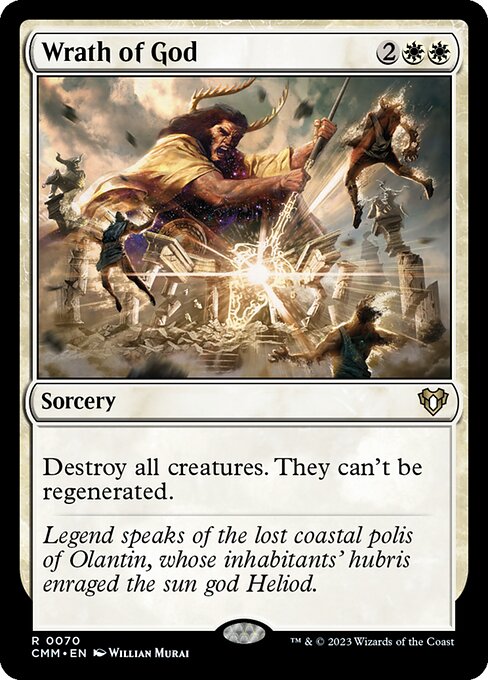
Job 1: The Emergency Brake (stop lethal right now)
This is the wipe you cast because you are about to die to creatures, commander damage, or “wide board math.” It needs to be cheap enough that you can actually deploy it when you are behind.
Common traits:
- Usually 4 mana or less (or functionally discounted)
- Works even when you have no board
- Does not require setup
Examples you will recognize: Wrath-style destroy effects, discount wraths, and the “one red mana, good luck” specials.


Job 2: The Clean Answer (handle indestructible, recursion, and sticky boards)
Destroying everything is cute until somebody has indestructible, a free sac outlet, or a graveyard that is basically a second hand. This job is about ending the argument, not restarting it.
Common traits:
- Exile, sacrifice, or -X/-X
- Often costs a bit more, but it solves the “they will just rebuild faster than me” problem
- Great in metas with gods, recursion commanders, and aristocrats piles
If your pod loves “my board is technically immortal,” you want at least one of these.
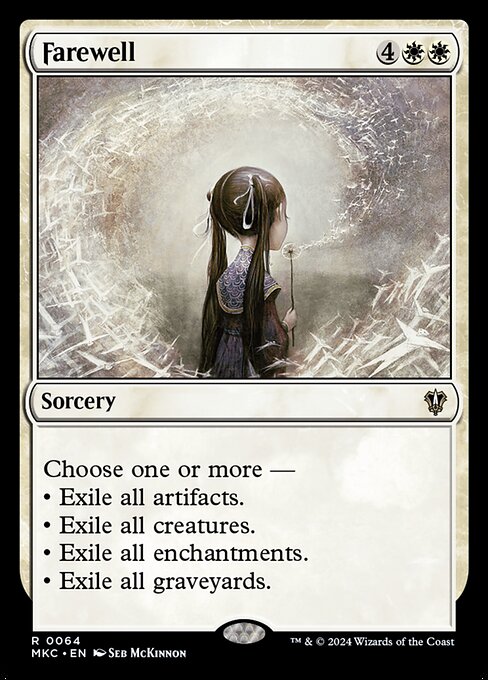

• Exile all artifacts.
• Exile all creatures.
• Exile all enchantments.
• Exile all graveyards.
Job 3: The Parity Breaker (wipe, but you keep the best stuff)
A wipe that leaves you in the same misery as everyone else is sometimes necessary. A wipe that leaves you ahead is how you stop wiping and start winning.
Parity breakers come in a few flavors:
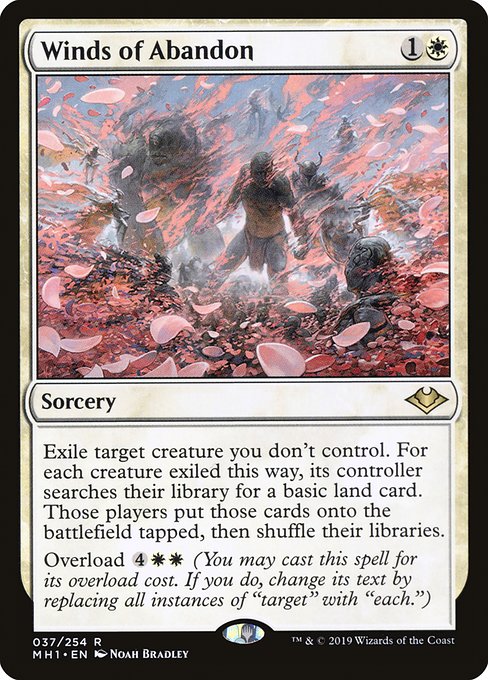
- One-sided board wipes (you keep your board, they lose theirs)
- “Choose modes” wipes that spare your plan
- Wipes that you have built around (tokens survive, your commander survives, your key permanents survive)
Here is the important part: a parity breaker is not “mean.” It is simply a wipe that actually moves the game forward.
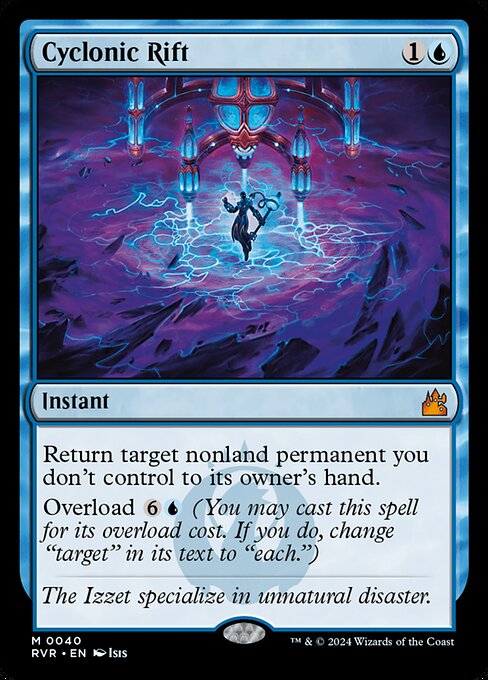


Overload
 (You may cast this spell for its overload cost. If you do, change "target" in its text to "each.")
Job 4: The Structural Cleanup (answer the type your deck struggles with)
Sometimes you are not losing to creatures. You are losing to the artifact engine, the enchantress pillow fort, or the graveyard value pile that is pretending it is a fair midrange deck.
Structural cleanups are wipes that target specific permanent types:
- Artifacts
- Enchantments
- Small creatures
- Big creatures
- Tokens
- “Everything but lands” style resets (rare, but real)
You do not need these in every deck. You need them when your meta tells you, repeatedly, “Hey, you are going to lose to enchantments again.”
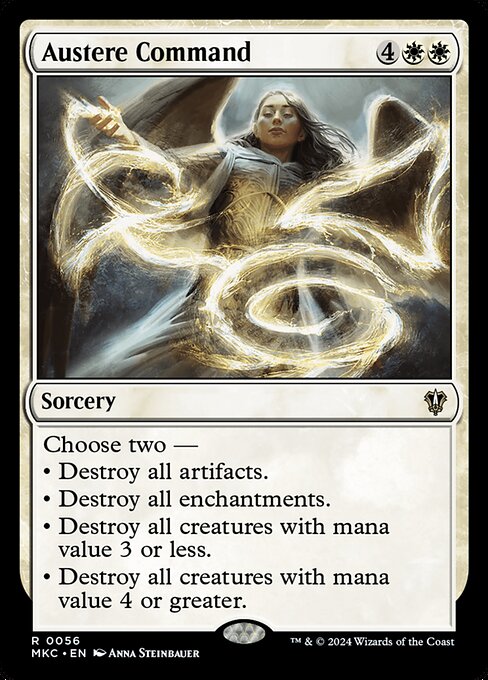
• Destroy all artifacts.
• Destroy all enchantments.
• Destroy all creatures with mana value 3 or less.
• Destroy all creatures with mana value 4 or greater.
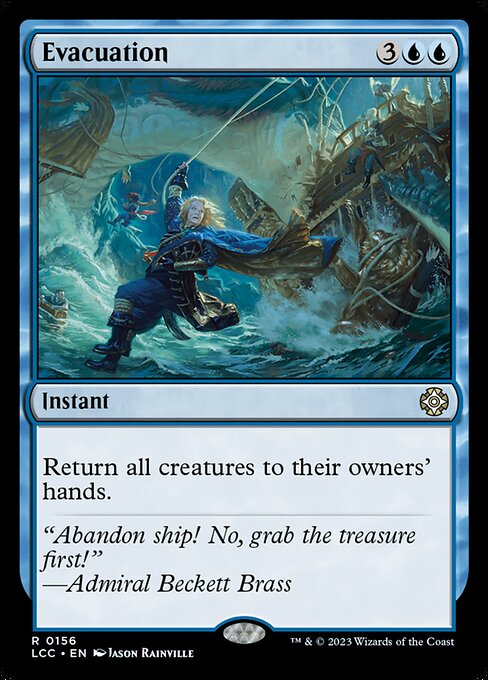
Job 5: The Tempo Reset (buy a turn to stabilize or win)
Not every wipe needs to permanently delete cardboard. Sometimes you just need to undo one combat step, force redeployment, or clear the way for your own win line.
Tempo wipes often look like:
- Mass bounce
- “Creatures get -X/-X until end of turn”
- Effects that keep creatures from untapping
- “Clear blockers, end the game” turns
If your deck wins by turning a corner fast, tempo wipes are your best friend.

—Admiral Beckett Brass
The decision tree: how many wipes to run (by meta speed)
This is the part people want to argue about. Let’s make it simple.
Step 1: Identify your pod speed
You can map most Commander tables into one of these buckets:
- Battlecruiser: games go long, big boards happen, combat is the main language of the table.
- High-power: faster engines, more efficient interaction, games end earlier, but creatures still matter.
- cEDH-ish: the stack matters more than combat, wins happen through compact lines, and “six mana sorcery” is basically a swear word.
If you are unsure where you land, go read MTG Commander Power Levels Explained: Why “7” Means Nothing after this and you will have a much cleaner baseline.
Step 2: Start with these wipe counts (then adjust)
Battlecruiser (slower pods): 3–5 wipes
- You will see wide boards more often.
- You need the ability to reset the table multiple times.
- You also need one “clean answer” wipe so you do not lose to indestructible or recursion loops.
High-power (faster, tuned pods): 2–4 wipes
- You still need a reset button, but you cannot afford hands full of clunky sorceries.
- Prioritize wipes that are cheap, flexible, or asymmetrical.
- The best wipes here often double as win enablers.
cEDH-ish (combo-centric pods): 0–2 wipes
- Most “wipe the board” effects are too slow or too narrow.
- You are typically better off with spot removal, cheap interaction, and hate pieces.
- If you do run wipes, they should be cheap and high-impact, not “reset the board and pass.”
Step 3: Adjust based on how your deck wins
Here is the easiest way to stop guessing.
If your deck is creature-heavy (tokens, stompy, Voltron):
- Run fewer symmetrical wipes.
- Run more parity breakers or structural cleanups that spare your plan.
- Your wipes should help you finish, not repeatedly erase your own progress.
If your deck is spell-heavy (combo, control, spellslinger):
- You can run more symmetrical wipes, because you are not trying to keep a board.
- You want cheap emergency brakes and tempo resets that buy a turn to assemble the win.
If your deck is midrange value (the “I do everything” pile):
- You want the most balanced wipe package.
- You care about flexibility, because you are not always the beatdown or the control.
Which board wipes actually count (the filters that matter)
A wipe “counts” if it meets at least two of these criteria, and ideally three.
1) You can cast it before you die
If your meta is fast and all your wipes are five-plus mana, you do not have a wipe package. You have a collection of regret.
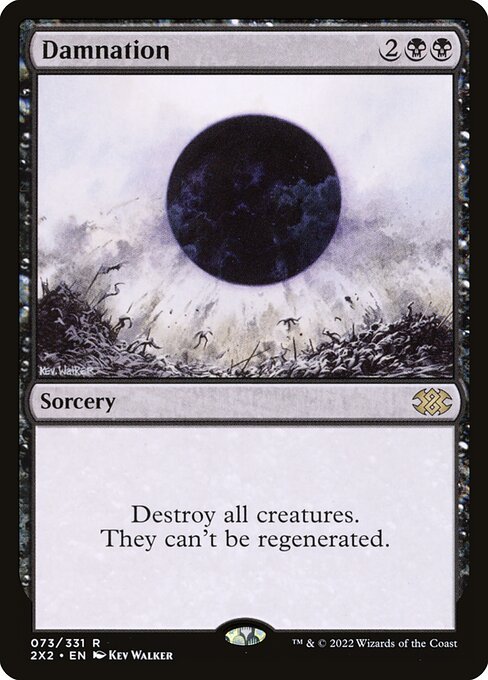
A classic example set includes Wrath of God, Damnation, and Supreme Verdict. They “count” because they are early enough to matter in a lot of real games.

2) It solves the real problem (not the “nice” problem)
Destroying creatures is not the same as answering:
- Indestructible boards
- Death triggers
- Graveyard recursion
- “I will just rebuild instantly” engines
This is why exile wipes and -X/-X wipes punch above their mana value in a lot of pods.
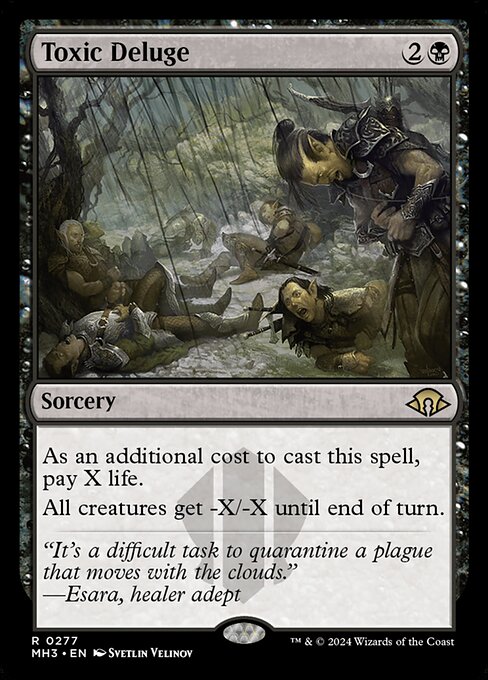
All creatures get -X/-X until end of turn.
—Esara, healer adept
3) It moves you toward winning
A wipe that resets the game to “we all do nothing again” can be necessary, but it should not be your whole identity. You want at least one wipe that helps you convert to a win, such as:
- One-sided wipes
- Bounce wipes that clear blockers
- Mode wipes that spare your engines
Overload
(You may cast this spell for its overload cost. If you do, change "target" in its text to "each.")4) It matches what your deck is built to recover from
Some decks rebuild after a wipe like it is a warm-up. Others are emotionally damaged for three turns.
If you are the deck that rebuilds slowly, lean into:
- Wipes that spare your commander or key permanents
- Wipes that are selective
- Wipes that exile so opponents do not get easy recursion value
If you are the deck that rebuilds fast, you can afford more symmetrical wipes because you will be first to redeploy.
The wipe package checklist (build a mix, not a pile)
If you only take one thing from this article, take this.
The baseline wipe package (most decks)
- 1x Emergency Brake: cheap, reliable, stops lethal
- 1x Clean Answer: exile, sacrifice, or -X/-X
- 1x Parity Breaker or Tempo Reset: something that leaves you ahead or clears the way to win
- 0–1x Structural Cleanup: artifacts/enchantments/utility permanents if your meta demands it
Battlecruiser package example (3–5 total)
- 1–2 emergency brakes
- 1 clean answer
- 1 flexible wipe that can spare your plan
- Optional: 1 extra wipe if your pod goes absurdly wide
High-power package example (2–4 total)
- 1 emergency brake (cheap)
- 1 clean answer (indestructible and recursion exist here)
- 0–1 parity breaker
- Optional: 1 structural cleanup if your meta has a known “permanent type boss”
cEDH-ish package example (0–2 total)
- 0–1 cheap creature wipe that matters
- 0–1 tempo reset that can create a winning window
- If you are on a dedicated stax plan, your “wipe package” might be more about removing creatures that pressure your hate pieces
Common mistakes (the stuff that makes wipes feel “bad”)
- Running only five-mana sorceries. You will die with them in hand.
- Wiping without a rebuild plan. If your deck cannot redeploy, you are just giving the table more draw steps.
- Using wipes as a substitute for spot removal. You still need to answer the one scary engine.
- Playing symmetrical wipes in a creature deck, then wondering why you never win.
- Not packing at least one clean answer. Indestructible and recursion are not rare anymore.
If you want the bigger “how do I balance my interaction packages” picture, go read How to Build a Commander Deck in MTG (Without Cutting Lands First) after this and tune your counts from there.
FAQs
How many board wipes should I run in Commander?
Most decks land in 2–4 wipes. Go 3–5 in battlecruiser metas, and 0–2 in cEDH-ish metas where the stack matters more than the battlefield.
Are board wipes bad for casual pods?
They are only “bad” when they reset the game repeatedly without moving anyone toward a conclusion. A good wipe package stabilizes once, then helps someone close.
What is the best type of wipe if my meta has recursion?
You want at least one wipe that exiles or otherwise prevents easy rebuilds. Clean answers matter more than raw efficiency when graveyards are active.
Should creature decks play board wipes?
Yes, but skew toward parity breakers and wipes that spare your plan. If your wipes erase your own board every time, you are playing a control card in an aggro shell.
Is Cyclonic Rift a board wipe?
Functionally, yes. It is often a tempo reset or a parity breaker depending on the game state. It “counts” because it creates a window to win.
Wrap up
Stop thinking “how many wipes” like it is a trivia question. Think “what jobs do my wipes need to do in my meta.”
If you remember one thing: one cheap emergency wipe, one clean answer, and one wipe that actually helps you win will feel better than five random sorcery resets every single time.
References and links
- How to Build a Commander Deck in MTG (Without Cutting Lands First): https://mtgedh.com/how-to-build-a-commander-deck-in-mtg-without-cutting-lands-first/
- MTG Commander Power Levels Explained: Why “7” Means Nothing: https://mtgedh.com/mtg-commander-power-levels-explained-why-7-means-nothing/