
You know the moment. Someone keeps a seven, plays a land, and on turn two they calmly say, “Tutor.” Everyone’s brain immediately jumps to the same question: Are we about to play a normal Commander game, or a curated highlight reel?
MTG Commander tutors are not inherently “bad.” They’re a tool. The issue is that tutors change what Commander feels like: fewer surprise topdecks, more repeated lines, and a lot more “I’m going to shuffle for a minute.”
TLDR
- Tutors are totally fine when they support a theme, smooth mana, or help slower decks function.
- Tutors warp games when they become “extra copies” of the best card, enable fast two-card combos, or eat a ton of table time.
- The cleanest Rule 0 solution is a table limit: cap the number, restrict the types, or ban the most efficient ones.
- If you play tutors, the real etiquette is speed and transparency.
(If you’re still locking in fundamentals like ramp, draw, and interaction, see MTGEDH.com’s “How to Build a Commander Deck in MTG (Without Cutting Lands First)” and “MTG EDH Editorial Policy and Corrections”.)
What counts as a “tutor” in Commander?
In Commander, a tutor is any card that searches your library for a specific card (or a narrow category of cards) and puts it somewhere useful: your hand, the battlefield, the top of your library, your graveyard, and so on.
Tutors vary wildly in impact. A tutor that finds a basic land so you can cast your spells is not the same social experience as a one-mana tutor that finds the exact missing combo piece.
The Tutor Spectrum: why some feel fair and others feel like cheating
A practical way to talk about tutors in Rule 0 is to separate them into buckets.
1) “Function” tutors (usually fine)
These are tutors that mostly help games run smoothly.
- Land-finders that fix colors or hit land drops
- Ramp packages that keep precons and mid-power decks functional
- Narrow, theme-driven searching (like “find an Aura” in an Aura deck)
These tend to increase fun because they reduce non-games.
2) “Theme” tutors (often fine)
These search for a category that matches your deck’s identity, not just “the best card.”
Examples include creature-type synergies, artifact toolboxes, enchantress shells, and so on.
3) “Best card” tutors (where friction starts)
Unconditional or broad tutors turn your best card into “copies 2, 3, 4…” and dramatically reduce variance.
This is where pods start feeling like:
- the same win lines every night, or
- a pseudo-competitive arms race, even when nobody asked for that.
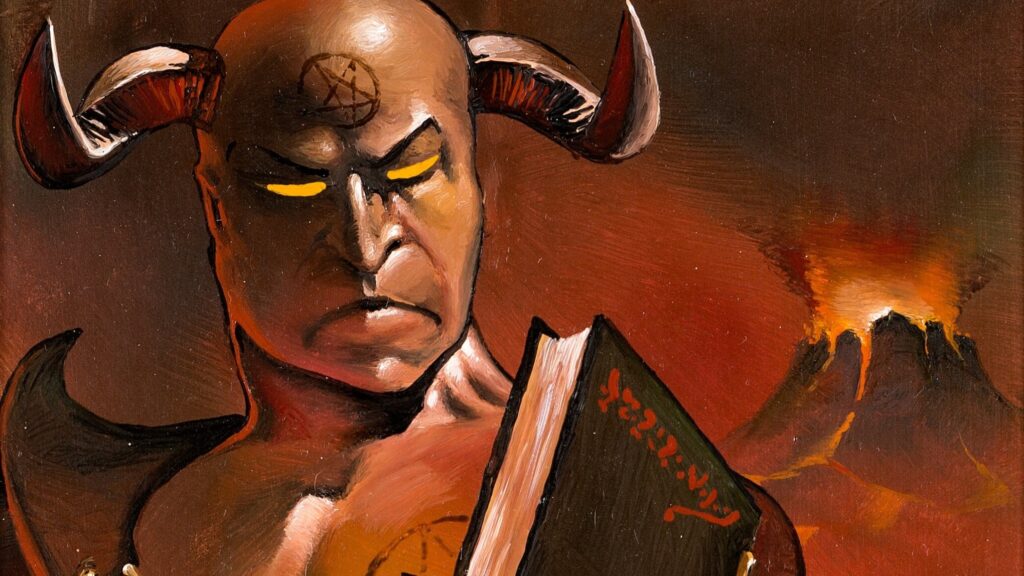
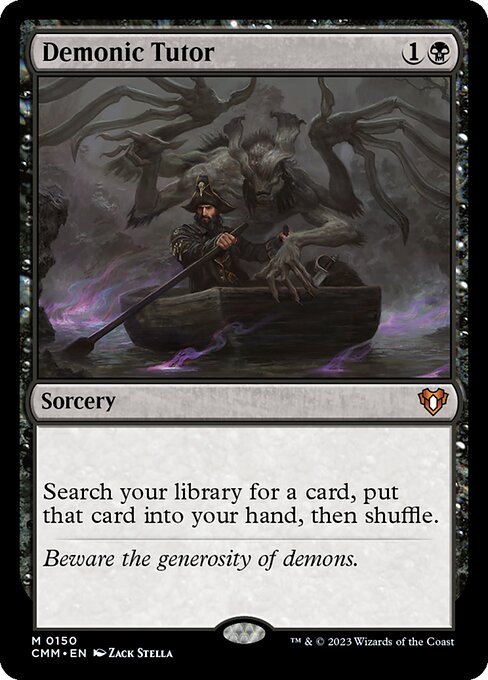
A classic example is the black two-mana unconditional tutor.


4) Repeatable tutors (often the biggest warp)
Repeatable search engines don’t just increase consistency, they can dominate the whole table’s attention.
They also stack two forms of pressure:
- strategic pressure (“they will eventually find the lock or combo”)
- time pressure (“we’re going to shuffle… again”)
When tutors are fine in casual Commander
Tutors are usually “fine” when they do one or more of these:
They prevent non-games
If your deck needs a specific effect to function (a removal piece, a mana-fixer, a key engine) and you’re not using it to shortcut into a fast win, that’s often a net positive.
They support a slower table
In lower-speed metas, a tutor can be a “catch up” tool rather than a “win now” tool. The table has time to respond.
They’re constrained and revealed
A tutor that searches for something narrow, or puts a card on top and telegraphs what’s coming, creates interaction windows.
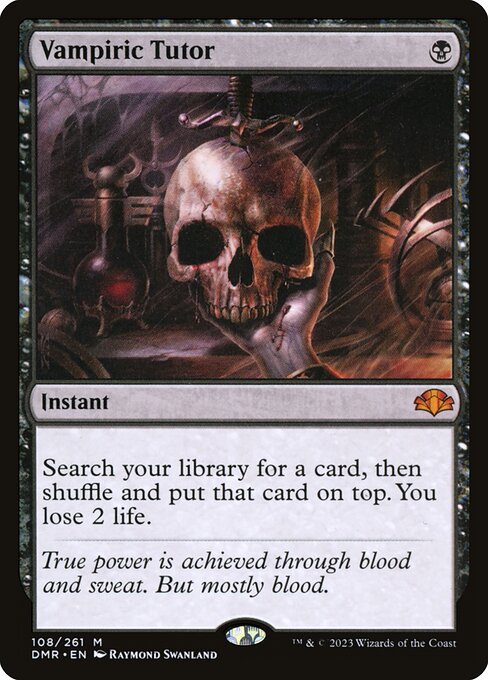
If you mention multiple classic “efficient tutors” in your pod, it’s worth naming the kind of tutor you mean. For example:
- Vampiric Tutor
- Enlightened Tutor
- Worldly Tutor
They’re used as answers, not only as win pieces
A tutor that reliably finds removal, graveyard hate, or a board wipe can actually improve gameplay. It helps keep one player from running away with the game.
When tutors warp games (and make pods salty)
Tutors tend to warp games when they create one or more of these patterns:
“Same game, different opening hands”
If every game ends with the same two cards (or the same commander line), people stop feeling like they’re playing Commander and start feeling like they’re watching your deck do its rehearsed routine.
Tutors compress the decision tree
Tutors effectively replace organic variance with certainty. That’s not morally wrong, but it does change the vibe from “battlecruiser” to “optimized.”
Tutors quietly change power level
Even if the rest of the deck is “casual,” a pile of efficient tutors makes the deck play sharper than it looks.
Tutors take too long
This is the sneaky one. Many players don’t actually hate tutors. They hate:
- long searches
- repeated shuffles
- decision paralysis
If the game slows down every time you cast a tutor, the table will remember the experience, not your intentions.
Table limits that actually work
The best tutor policies are simple, measurable, and easy to enforce mid-game.
Option A: A hard cap (fast to explain)
Pick a number and stick to it.
- “0 tutors”
- “Up to 2 tutors”
- “Up to 4 tutors, but no repeatable engines”
This works well with strangers because it’s clear.
Option B: Restrict by tutor type (my favorite for mixed power pods)
Instead of counting, restrict categories:
- Only land tutors and theme tutors
- No unconditional tutors below 3 mana
- No repeatable tutors
Option C: “No tutoring for combos” (only if you trust the table)
This can work in established playgroups, but it’s fuzzy with new players because it depends on definitions:
- Is Craterhoof a “combo”?
- Is “tutor for my missing piece” always a combo?
If you use this rule, define “combo” as “a line that ends the game immediately or creates a deterministic lock.”
Option D: Tutor time limit (surprisingly effective)
This doesn’t change deckbuilding, it changes friction.
Try: “If you tutor, take 30 to 60 seconds. If you can’t decide, pick the ‘good enough’ card.”
Rule 0 scripts you can steal
Here are short scripts that reduce awkwardness.
If you are bringing tutors
“This deck runs X tutors. Most are for [type/theme], and I can tutor quickly. I’m not trying to assemble a fast two-card win, but I do have a couple strong lines if the game goes long.”
If you want to set a table limit
“Before we shuffle, are we okay with tutors? I’m good with them, but I’d prefer a cap like 0-2, or theme-only, just so the game stays swingy.”
If you’re fine with tutors but hate slow play
“Tutors are fine, but can we keep searches quick? If someone’s not sure, I’d rather they grab something reasonable and keep the game moving.”
Tutor etiquette: how to play them without being “that player”
If you run tutors, you can earn a lot of goodwill with a few habits:
- Decide during other players’ turns. Know what you’re getting before you cast the tutor.
- Announce your destination zone clearly. “To hand,” “to top,” “to battlefield tapped,” etc.
- Shuffle efficiently. Don’t pile shuffle for three minutes in a casual pod.
- Offer quick transparency when appropriate. You don’t need to reveal hidden information, but you can communicate intent: “I’m grabbing removal,” or “I’m grabbing a land.”
How to play against tutors (without whining)
Tutors are information, even when the card searched isn’t revealed.
- Pressure the tutor player’s life total so they can’t spend time setting up.
- Hold interaction for the turn they’re likely to “go for it.”
- If your pod allows it, ask neutral questions: “Is that a setup tutor or an answer tutor?”
FAQ
Are tutors “unfair” in Commander?
Not by the rules. They’re just high-consistency tools. The fairness issue is really a matched expectations issue.
How many tutors is too many?
In casual pods, many groups start feeling the “same game” problem around 4-6 efficient tutors, but the real answer is: whatever pushes your deck ahead of the table’s expectations.
Are land tutors considered tutors?
Technically yes, socially usually no. Most tables don’t lump “fix my mana” in with “assemble my combo.”
What’s the best compromise for mixed pods?
“Theme-only tutors” or “no unconditional tutors under 3 mana” are both solid middle-ground rules.
Wrap Up
Tutors are fine when they make Commander function and frustrating when they make Commander predictable. If your table keeps bumping into tension, don’t argue about morality. Set a simple limit everyone can remember, and keep tutor turns fast.